On reclaiming the forgotten language of joy
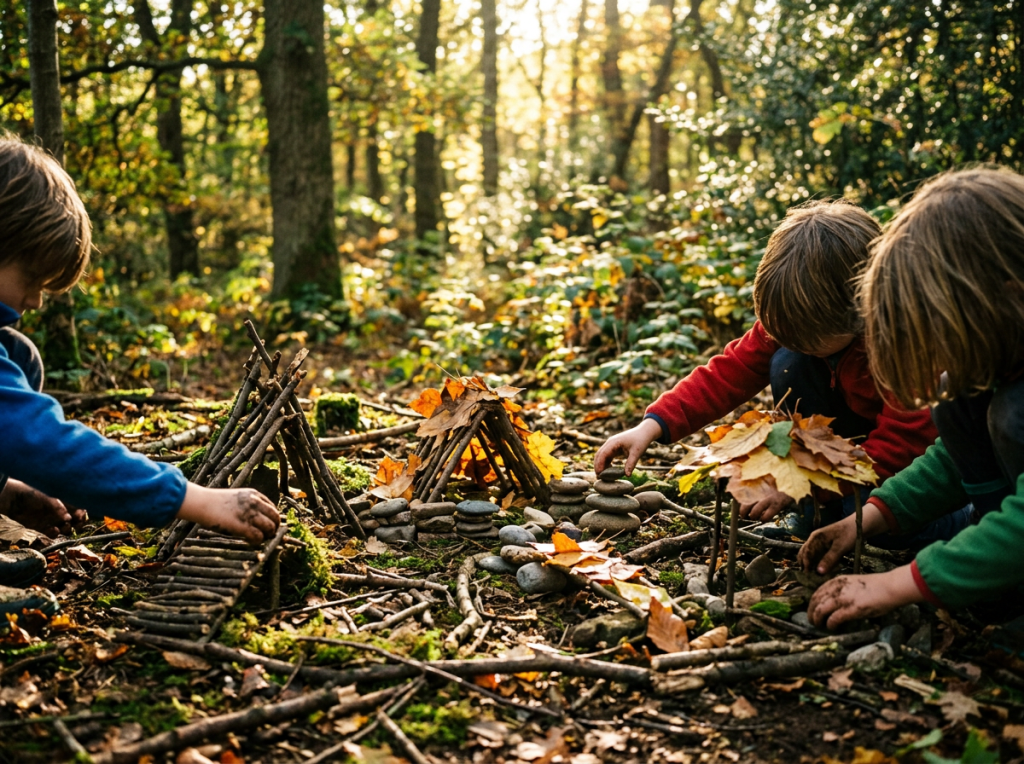
A few days ago, I was sitting in a nearby park, watching a group of children at play.
Within minutes, a fallen branch had become a sword, a bench had transformed into a pirate ship, and a patch of uneven ground had turned into an imaginary kingdom. There were no goals to achieve, no outcomes to measure, and certainly no one asking whether this activity would improve their future or what value was being added.
What struck me was not their creativity.
It was their complete permission to be absorbed.
Children do not ask, “Is this useful?” They simply play.
Somewhere between childhood and adulthood, many of us quietly lose this ability.
Life gradually teaches us to become serious. Be responsible. Be productive. Be efficient. Be useful. These are important lessons, and societies cannot function without responsible adults.
But I sometimes wonder whether, in learning to become responsible, we also learned to distrust play.
Many adults carry an invisible belief: Play is childish. Play is unproductive. Play must be earned.
And so, we postpone it.
After this project. After the children grow up. After retirement. After life becomes less busy.
Yet even when these milestones arrive, play often does not return.
Because what disappeared was not time.
It was permission.
The permission to do something simply because it delights us. The permission to laugh without purpose, create without audience, sing without performance, or explore without outcome.
Modern life rarely encourages this. We live in a culture that rewards optimization. Even our hobbies are expected to become achievements. A walk becomes step-counting. Photography becomes social media content. Reading becomes self-improvement. Meditation becomes another item on the productivity checklist.
Very little is allowed to remain play.
Perhaps this is why so many adults feel emotionally tired.
Play is not the opposite of work. It is the opposite of emotional constriction.
It loosens something within us. It reconnects us with curiosity, spontaneity, creativity, and wonder. Psychologists have long observed that play is not merely recreation; it is restoration. It reminds us that we are more than our roles, responsibilities, and achievements.
Over the last few years, I have begun asking myself a simple question:
What activities make me lose track of time?
The answers are often surprisingly modest: writing, walking in nature, meaningful conversations, listening to music, watching the rain, learning something without needing to master it.
These moments may not appear productive.
Yet they quietly make life feel alive.
Perhaps maturity does not mean abandoning play. Perhaps it means consciously reclaiming it.
Because a life without play may be efficient. It may even be successful. But it risks becoming emotionally undernourished.
So today, I leave you with a gentle invitation:
What would you do this week if you gave yourself full permission to play?
Not to achieve. Not to impress. Not to improve.
Just to experience delight again.
Perhaps the child within us has not disappeared.
Perhaps it is simply waiting for permission.
Letters for the Inner Journey by Pushkar

Whisper back, if the letter spoke to you.