On why life is not about balance, but rhythm
In my earlier corporate days, I was often caught up in the pursuit of “work-life balance,” as if it were a formula waiting to be solved. It was portrayed as the ultimate goal — that elusive state where one could manage meetings, deadlines, and targets while still making time for fitness, caring for ageing parents, supporting a child’s education, nurturing a spouse’s companionship, and sustaining social circles that demanded a picture of empathy and perfection.
I worked hard to maintain that picture. Some weeks, I stretched myself to meet numbers at work, while trying to be present at home in the same intensity. At times, I felt like a juggler on a stage — smiling on the outside, but terrified inside that one ball might drop. And whenever something slipped, I quietly asked myself, “Am I failing at balance?”
Over time, I began to see the flaw in the metaphor itself. Balance implies that everything can be evenly distributed, carefully weighed, held still in perfect harmony. But life is not still. It moves. It shifts. It demands.
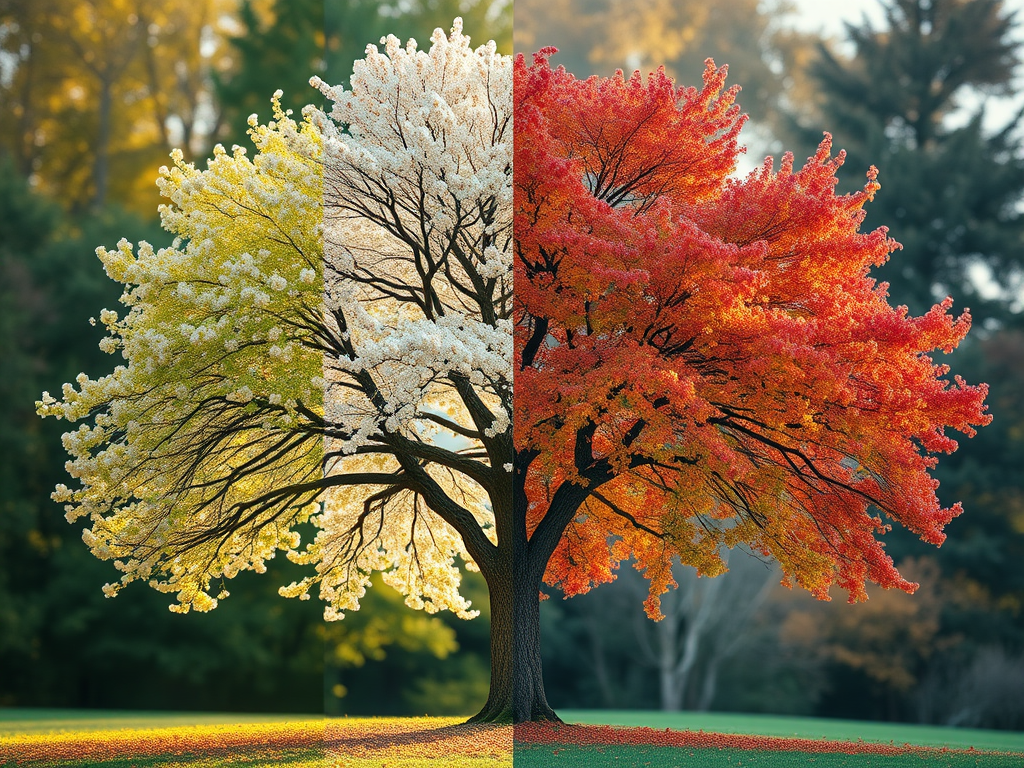
Nature showed me this more clearly than any management book ever did. A tree does not balance its energy across the year. In spring, it pours itself into blossoms. In summer, it stretches skyward with abandon. In autumn, it lets go. In winter, it rests in silence. A farmer, too, does not sow, water, harvest, and rest all at once. Each season has its rhythm.
That is when I realised: perhaps life is not about balance at all. It is about rhythm. Rhythm allows for movement, imperfection, ebb and flow. Some seasons in life will tilt heavily towards work, others towards family, and still others towards self-care or renewal. That tilt is not imbalance. It is rhythm.
The quiet wisdom here is this: when we chase balance, we often chase exhaustion. But when we surrender to rhythm, we discover alignment. Balance is a myth that asks for perfection; rhythm is a practice that invites presence.
So instead of asking, “How do I balance everything?” I began asking myself, “What rhythm is life asking of me right now?” Sometimes the answer was hard to accept — to admit that work must take precedence, or that rest must be honoured. But strangely, the moment I listened to the rhythm, the guilt of imbalance softened. Peace had a way of finding me.
Balance may look good in theory, but rhythm feels true in practice. Rhythm is alive, humane, and sustainable.
So the next time you find yourself pulled in every direction, step back and listen. Not for perfect balance, but for the rhythm beneath your days. You may discover that life is less about juggling everything at once, and more about dancing to the season you are in.
A gentle invitation to reflect:
- What rhythm is life asking of me right now?
- Which part of my life is calling for more presence, and which is asking to soften for a while?
Letters for the Inner Journey by Pushkar
If something lingered in your heart while reading this letter, I’d love to hear from you. Leave a comment below..


Leave a reply to The Lost Sheep Is Now Zen Cancel reply