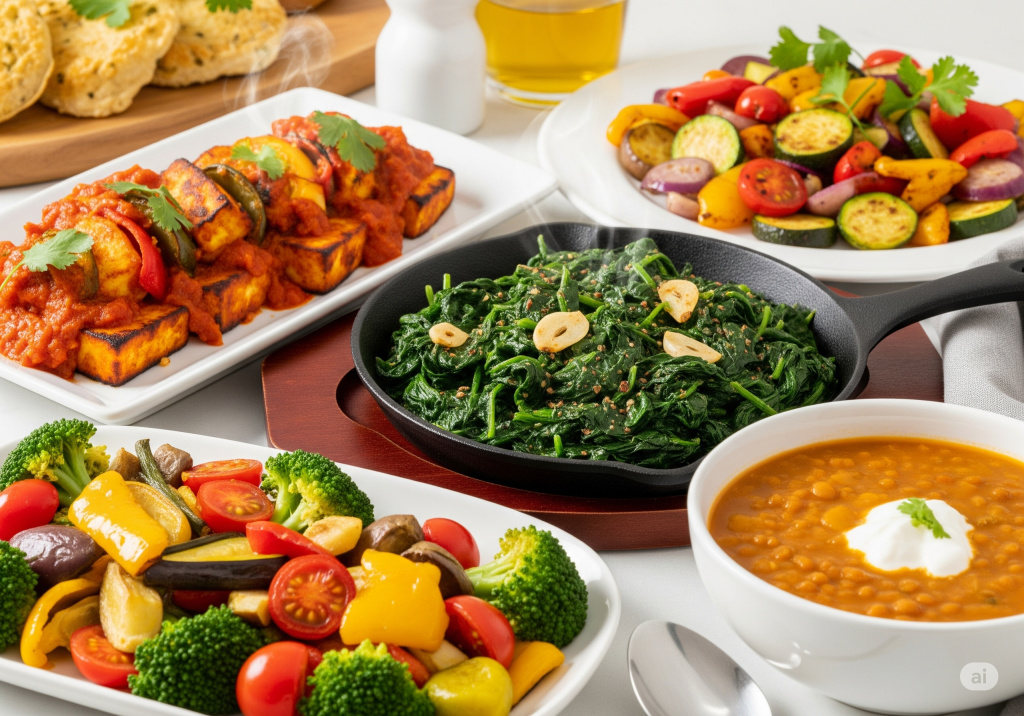
More toxic than chemicals in our food
A few weeks ago, I was standing at a local vegetable market. As I picked up a handful of tomatoes, the vendor proudly said, “No chemicals here, sir. All organic.” I smiled politely, but a thought struck me with surprising force.
We are all so alert about food adulteration now—label checking, pesticide awareness, farm-to-fork campaigns…
But what about the adulteration that isn’t visible? The one we taste in our relationships, not on our plates?
Yes, I’m speaking of emotional adulteration—that subtle but corrosive mixture of pretence, manipulation, projection, and unprocessed pain that now fills the spaces between us.
We’ve begun to live in a time where:
- Smiles are curated, not felt.
- Apologies are strategic, not sincere.
- Praise is conditional, often transactional.
- Listening is half-hearted, interrupted by digital distraction.
We have learned the art of appearing warm, without truly being present.
We’ve mastered emotional packaging, even as authenticity quietly suffocates.
And just like adulterated food—where a little urea or wax is enough to change taste and health—adulterated emotions are not always dramatic. They’re subtle, habitual, socially accepted. But they damage the emotional microbiome of our inner world.
Where does this come from? From unresolved pain. From generational wounds. From the need to appear composed, successful, likable—at any cost.
And so we:
- Numb our real feelings and serve edited versions of ourselves
- Speak in diplomacy instead of truth
- Offer care laced with control
- Give affection diluted with expectation
Over time, this corrosion becomes cultural. Families talk, but don’t communicate. Friends connect, but don’t feel safe. Lovers share beds, but not emotional sanctuaries.
I’ve experienced both types of adulteration—on the plate and in the heart.
But it’s the emotional kind that lingers longer. It makes one question reality. It fogs clarity. It steals vitality without a trace. I’ve seen people lose themselves—not to cancer or heart disease—but to a chronic depletion of trust and emotional safety.
So what do we do?
We return to organic relating.
We reclaim emotional integrity.
We choose to:
- Speak slower, so truth can catch up with us
- Feel deeper, so pain doesn’t harden into performance
- Hold space, not control
- Offer attention, not just reaction
Because just as detoxing the body begins with clean food, detoxing the soul begins with clean energy—in words, silences, gestures.
Today, when I check if a vegetable is clean, I also check if my emotions are. I ask:
- Is what I’m offering free of residue?
- Is what I’m receiving aligned with truth?
And most importantly, I remind myself—
It is better to offer less with purity, than more with pretence.
May we serve each other heart-meals that heal, not manipulate.
And may we each become a clean vessel, in a world overflowing with flavour but starved of nourishment.
Letters for the Inner Journey by Pushkar

Whisper back, if the letter spoke to you.