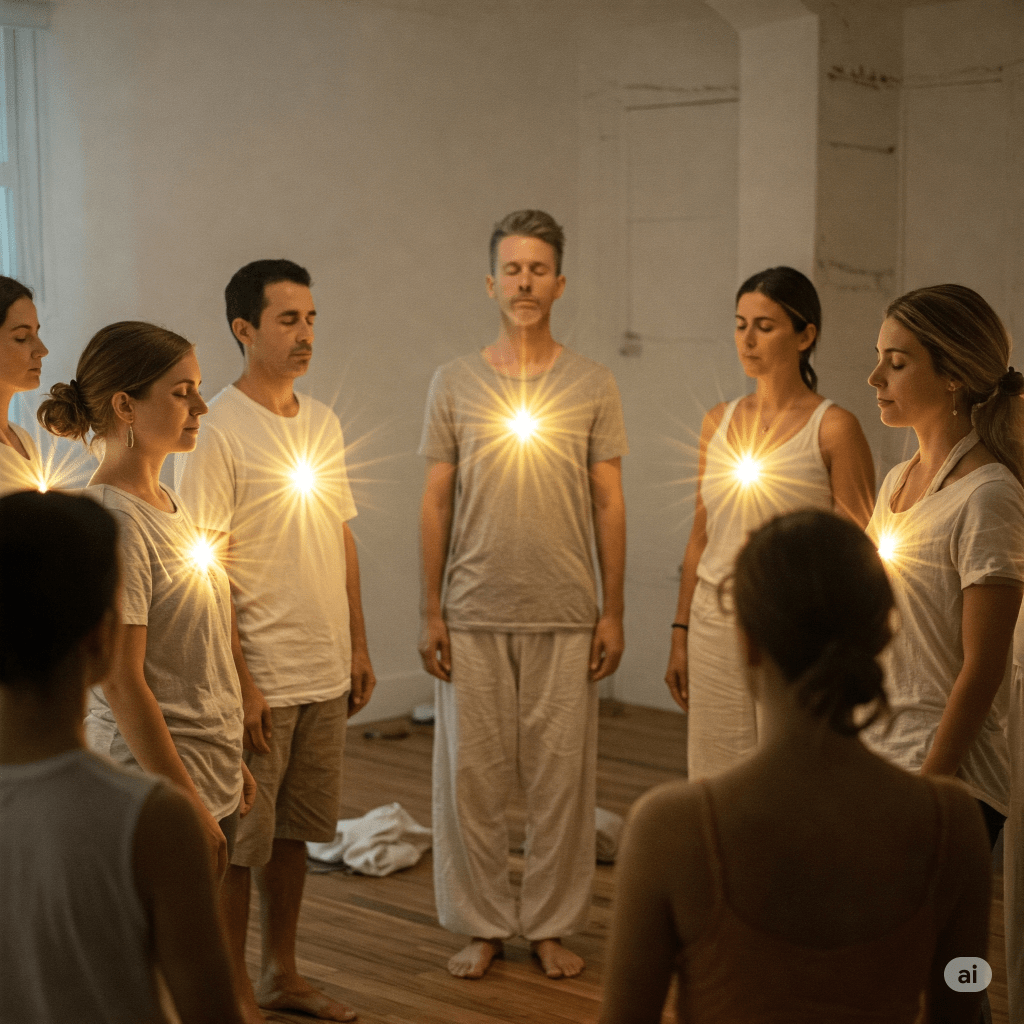
Understanding the silent revolution within—when pain begins to lose its grip.
I once sat across from a friend at a quiet café. We weren’t talking about anything profound—just books, travel, and coffee—but somewhere in the middle of that easy silence, I saw something shift in her. A softening. A lightness I hadn’t noticed before. Months ago, she had been navigating a loss so dense, it swallowed her words. And yet, here she was, smiling not because she had to, but because she could. Not because the pain had disappeared, but because it no longer dictated the weather of her day.
That’s when it struck me: this, too, is healing. Not the grand moment of breakthrough, but the subtle reclaiming of peace.
We talk so much about healing. We seek it in retreats, in rituals, in quiet mornings and crowded therapy rooms. But how often do we pause to ask—what does it really mean to heal?
Is it the absence of sadness? The return of productivity? The ability to forgive? Or simply the day we no longer feel broken?
Too often, healing is confused with fixing, or worse—forgetting. But true healing, I’ve come to believe, is neither of these. It’s not about wiping the slate clean. It’s about drawing a new map over the old one—one that respects the terrain of your scars, but refuses to be defined by them.
A person in need of healing does not always look visibly wounded. Sometimes they are hyper-functional. Over-scheduled. Over-smiling. Sometimes they are quick to anger or unusually silent. Sometimes, they are us.
It’s the life that feels off-kilter, without obvious reason. The fatigue that doesn’t go away with sleep. The anxiety that lives just beneath the surface. The difficulty in trusting joy, or holding space for stillness. The inability to receive love without suspicion.
This is where the healing journey often begins—not with clarity, but with discomfort.
Healing happens – not in one go. Not in linear progression. Healing is messy. Some days you’ll feel triumphant. Other days, hollow. But through it all, there’s a slow reclamation taking place. Your nervous system stops bracing for impact. You pause before reacting. You allow yourself to feel without flooding. You seek connection, not distraction. You stop trying to outperform your pain.
Sometimes, it starts with the tiniest of shifts: deciding not to reach for your phone during discomfort. Walking instead of spiraling. Breathing through a memory. Saying no without guilt. Saying yes without fear.
Healing is in these micro-moments. Not performative. Not Instagrammable. But deeply yours.
There is no universal checklist for healing. However, I came across following steps that helped me in my own healing journey. So I invite you to try one or few or all.
1. Create emotional pause points.
When something triggers you, pause. Not everything requires a response. In that pause lies your power to choose differently.
2. Journal honestly and often.
Writing is a mirror that doesn’t judge. Use it to understand your emotional patterns, name your feelings, and release what weighs you down.
3. Reclaim your breath.
Conscious breathing—just five minutes a day—restores calm to the body and reminds the nervous system that it is safe.
4. Choose nourishing company.
Healing accelerates in the presence of non-judgmental people. Find your tribe—even if it’s just one person who sees you as whole.
5. Let go of toxic inputs.
Unfollow what agitates you. Detox from noise. Turn down the volume on content, conversations, and consumption that numb or provoke.
6. Forgive, gently—but start with yourself.
Self-forgiveness often precedes all others. We heal when we stop punishing ourselves for how we coped in survival mode.
7. Rest without guilt.
Rest is repair. Busyness is not a badge of honor—it’s often avoidance in disguise.
8. Reconnect with the body.
Yoga, walking, stretching, even dancing—your body remembers what your mind forgets. Let it move, and it will help you release.
9. Embrace stillness as a teacher.
We often run from silence, but that’s where the deepest insights arise. Even five minutes of stillness a day can begin a profound shift.
10. Speak kindly to yourself.
The tone of your inner voice shapes your world. Let it become more gentle, more forgiving, more rooted in compassion.
You begin to witness your own life not as a battlefield to survive, but a place to return to. You stop outsourcing your worth. You stop needing validation for your wounds. You learn that healing is not becoming someone else—it’s becoming more you.
Healing Is a Gift to the World
We often treat healing as a private affair, but the truth is—healed people hold families together. They break generational patterns. They build gentler societies. They lead with empathy, not ego. When you heal, the world doesn’t just get a better version of you—it gets a less reactive, more conscious participant in the shared human experience.
That, too, is grace in motion.
So how do you know if you are healing?
Perhaps it is when you laugh without flinching. When you cry without shame. When you forgive without forgetting your own dignity. When you stop proving, and start being.
Healing isn’t the absence of pain. It is the presence of wholeness, despite it.
And that, dear fellow travelers, is the quiet revolution many of us are living through.
Letters for the Inner Journey by Pushkar

Whisper back, if the letter spoke to you.