On how constant comparison drains our peace, our relationships and how to gently reclaim self-worth.
It often begins subtly. A social media post, a neighbor’s new car, a colleague’s promotion, a friend’s picture-perfect family vacation. We don’t intend to compare. But before we know it, we’re staring at our own life through a lens that suddenly feels not enough.
I have done this more times than I care to admit — a quiet questioning that creeps in, uninvited: Am I behind? Should I be doing more? Am I missing something? And suddenly, what once felt peaceful begins to feel inadequate.
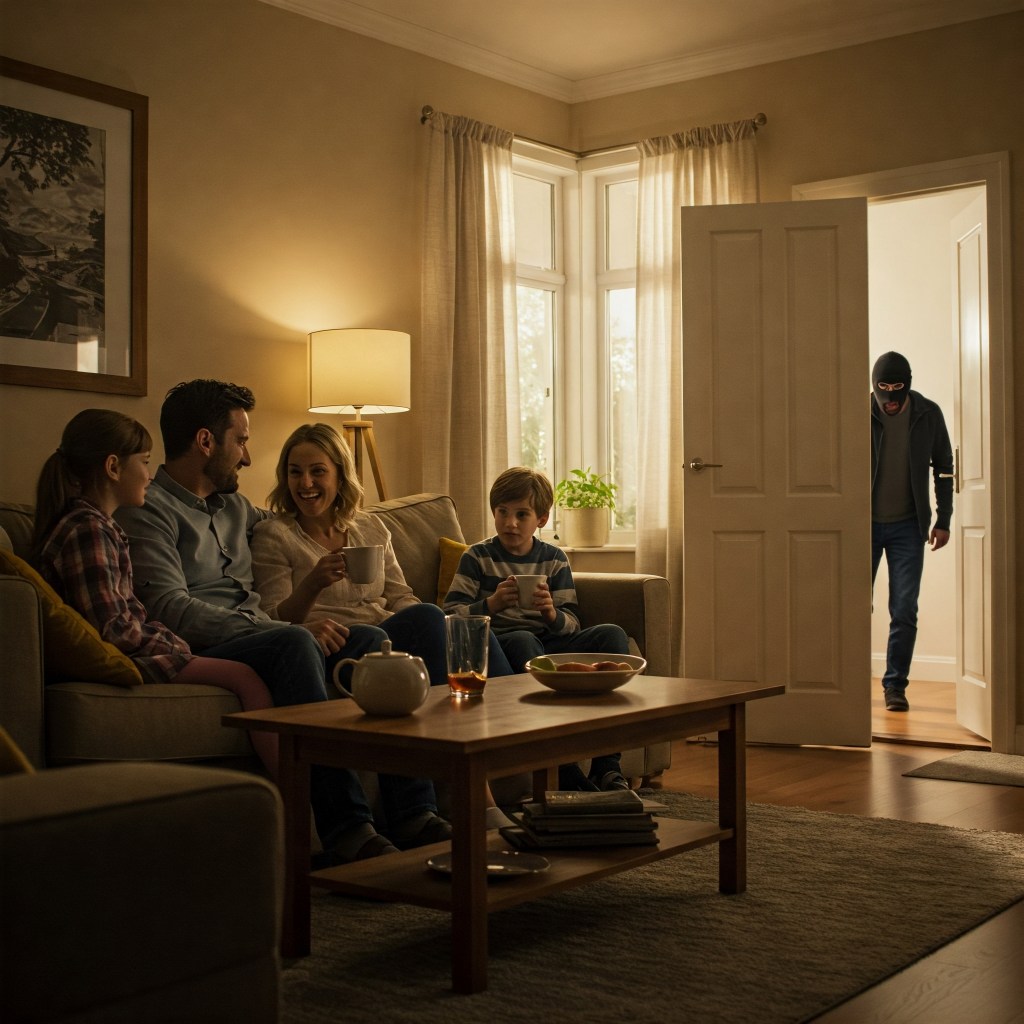
Comparison is a strange thief. It doesn’t break in. It walks through an open door we didn’t realize we had left ajar.
What makes comparison so corrosive is its invisibility. It doesn’t shout. It whispers — with elegance, with logic. It convinces us that self-worth is a scoreboard, and life is a zero-sum game. That if someone else is shining, it somehow dims our light.
But here’s the hard truth I had to learn: comparison does not just harm our relationship with ourselves — it strains our relationships with others. When we measure people through a hierarchy of success, lifestyle, or even emotional strength, we stop seeing them as fellow travelers. We begin to compete instead of connect. We silently withhold joy for their wins or diminish our own. And in that unseen distance, intimacy erodes.
At its root, comparison is rarely about the other person. It is a mirror held up to our own insecurities — a reflection of unhealed wounds, unmet needs, or societal scripts we have yet to question. We inherit templates of worthiness — how one should live, succeed, love, age — and when our lives diverge from them, we assume the problem lies with us.
But what if the problem lies in the template?
The truth is, no two lives are meant to be measured side by side. We are not replicas. We are stories — shaped by context, timing, temperament, choices, and chance. Your chapter 5 cannot be compared to someone else’s chapter 17. Your path is not delayed just because it looks different.
Reclaiming self-worth begins with this gentle truth: your life doesn’t need to impress. It needs to feel real. Aligned. And meaningful — to you.
I’ve started asking myself a new question now: What would I choose if I wasn’t watching what others are choosing? That one question has become a compass, returning me to my own north star when comparison tries to steer me elsewhere.
And when I see someone doing well, I try to replace the silent envy with a sincere prayer: May their light remind me of what is possible, not of what I lack.
Because peace does not come from outpacing others. It comes from arriving — fully, gratefully — in your own life.
Letters for the Inner Journey by Pushkar
